
Galapagos Water Temperatures Explained: What Travelers Need to Know Before Visiting
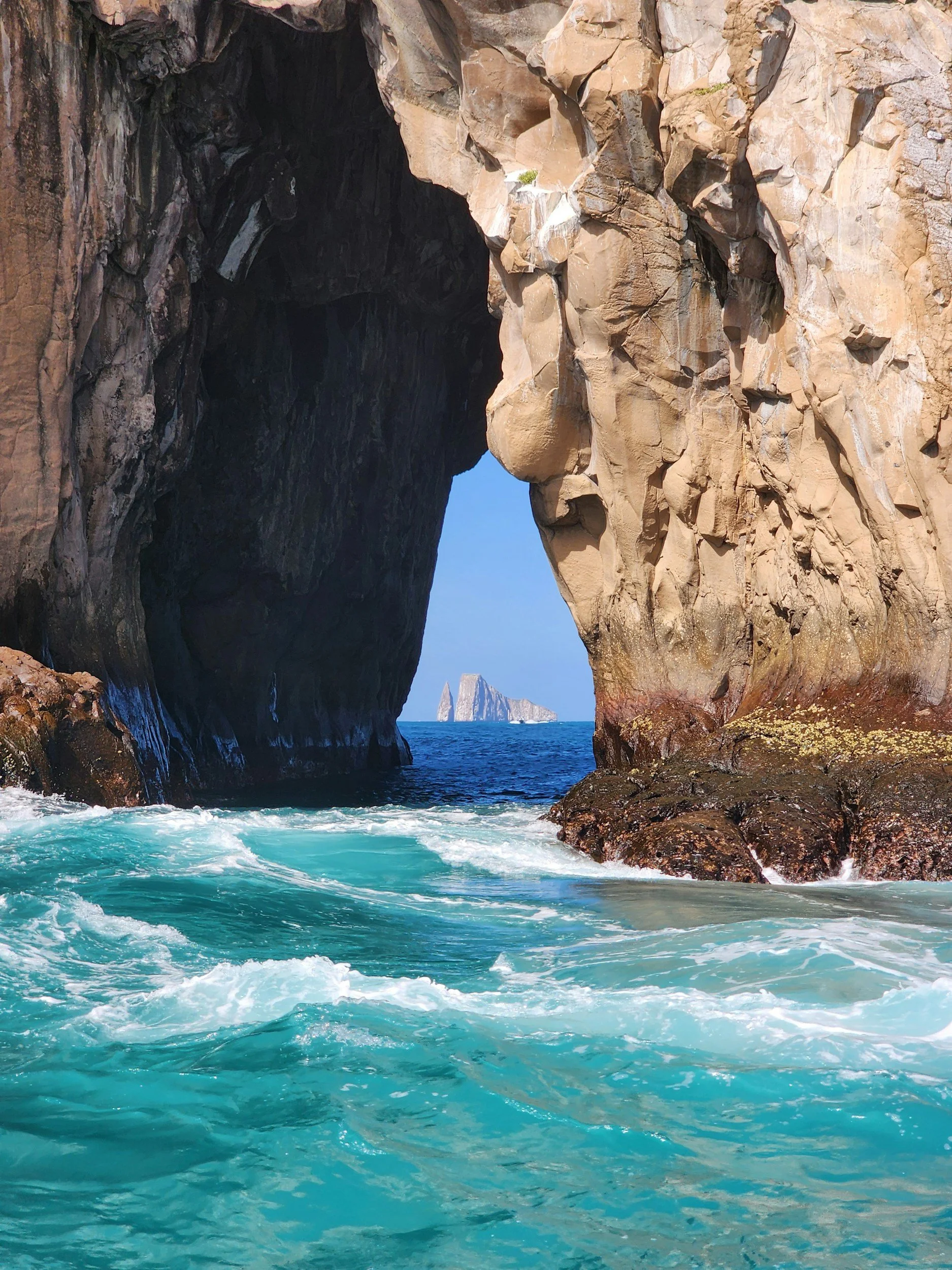
Understanding Galapagos water temperatures is essential for planning the right activities and setting realistic expectations for snorkeling, diving, and wildlife encounters. Because the islands sit at the convergence of major Pacific currents, water temperatures can shift significantly throughout the year — shaping both marine conditions and animal behavior.
This guide breaks down how the water changes seasonally, what that means for visibility and comfort, and how to choose the right time to explore the underwater world of the Galapagos.
Why Galapagos Water Temperatures Change
Three major ocean currents influence the Galapagos marine environment:
The Panama Current – brings warm tropical water during December–May
The Humboldt Current – brings cool, nutrient-rich water during June–November
The Cromwell Current – a deep, upwelling current that supports high marine biodiversity year-round
The interplay of these currents creates dramatic seasonal shifts, making it one of the most unique marine ecosystems in the world.
Warm Season Water Temperatures (December–May)
During the warm season, the Panama Current dominates, raising water temperatures and improving clarity.
Temperature Range
73–78°F (23–26°C)
What This Means for Marine Exploration
Excellent visibility for snorkeling and diving
Comfortable conditions for long sessions in the water
Increased sea lion playfulness and underwater activity
Frequent sightings of reef sharks, rays, turtles, and vibrant fish
This is the ideal window for travelers who want warm water, calm seas, and easy entry points for swimming.
Cool/Garúa Season Water Temperatures (June–November)
The arrival of the Humboldt Current brings cooler water and nutrient-rich upwellings.
Temperature Range
66–73°F (19–23°C)
What This Means for Marine Exploration
Cooler water requires wetsuits for longer swims
Visibility can vary due to nutrient density
Marine life becomes more active and abundant
Galapagos penguins and marine birds peak in feeding behavior
Higher chances of seeing larger marine species like whales and mola mola
This season is well-suited for experienced snorkelers, divers, and wildlife enthusiasts who prioritize dynamic marine life over warm conditions.
How Water Temperature Affects Wildlife
Different species respond directly to seasonal ocean changes:
During Warmer Months:
Sea turtles are more active near beaches
Sea lions thrive in calm, clear bays
Tropical fish are abundant in shallow areas
Marine iguanas dive more frequently for algae
During Cooler Months:
Penguins and flightless cormorants feed aggressively
Whales migrate closer to the islands
Schools of fish increase due to nutrients
Sharks and larger pelagics become more visible
These shifts make the Galapagos one of the few destinations where ocean conditions dramatically shape wildlife encounters.
Choosing the Best Time to Explore the Water
Your ideal travel window depends on the type of experience you want.
Choose December–May if you prefer:
Warm, comfortable snorkeling
Calm seas
Bright water visibility
Easy conditions for first-time or family travelers
Choose June–November if you prefer:
High-energy marine activity
Penguin and whale sightings
Nutrient-rich ecosystems
Cooler weather for intensive excursions
Both seasons offer extraordinary experiences — they simply serve different travel styles.
Plan Your Marine Adventure with Blue Galapagos
Understanding Galapagos water temperatures helps ensure you visit the right sites at the right time. Blue Galapagos creates personalized itineraries built around seasonal ocean conditions, wildlife behavior, and your comfort level in the water.
Contact us to learn more and start planning your customized Galapagos marine adventure.
Gain access to expert insights, seasonal updates, and tailored travel recommendations.