
Galapagos Weather Myths vs. Reality: What Travelers Should Know Before Visiting
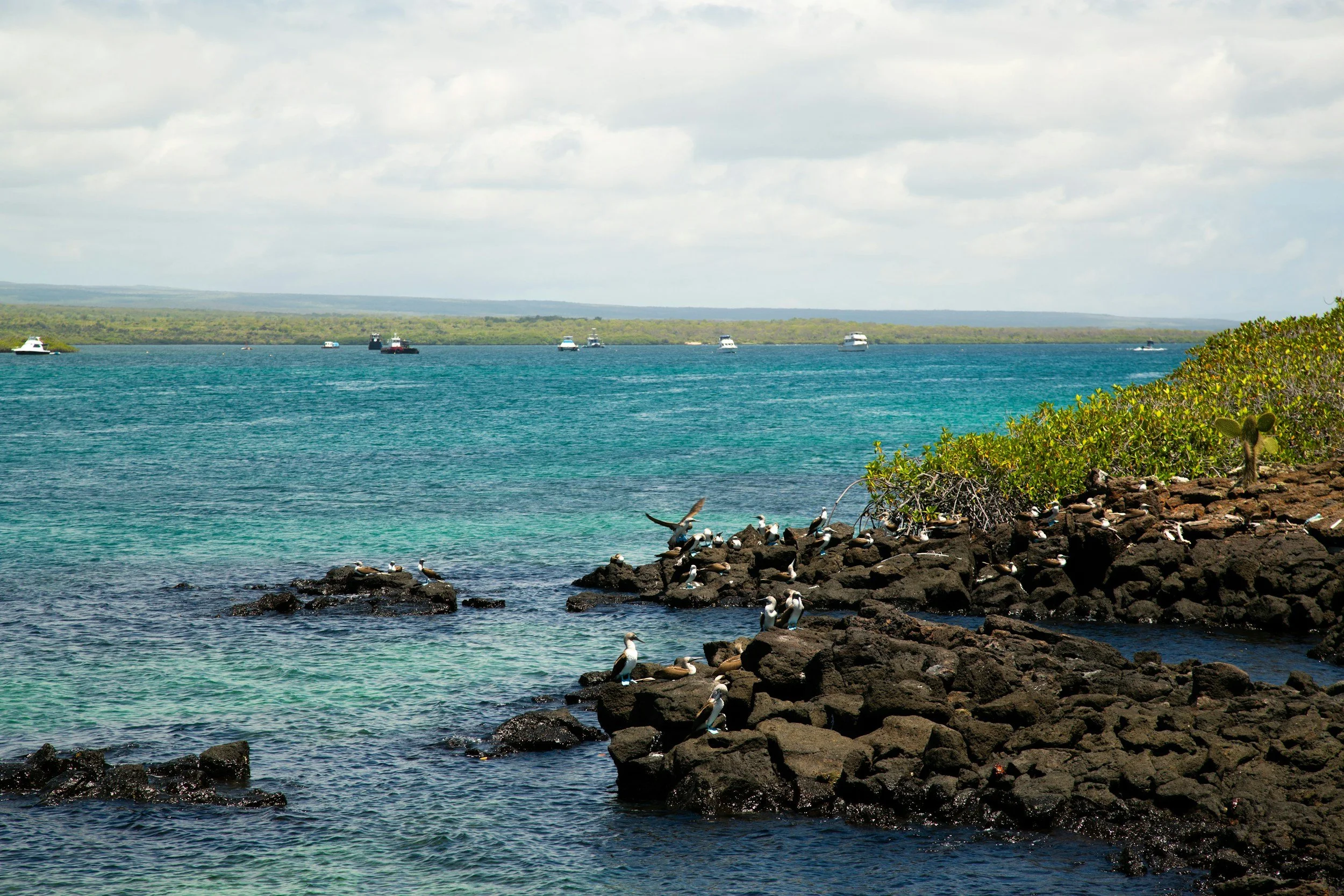
The Galapagos Islands are famous for their wildlife, volcanic landscapes, and dramatic ocean ecosystems — but they are also surrounded by persistent weather myths that can shape traveler expectations. Understanding what the weather is actually like throughout the year is essential for planning the right itinerary, choosing the right gear, and experiencing the islands at their best.
Below is a clear breakdown separating myth from reality, giving travelers an accurate picture of what to expect during their trip.
Myth 1: “The Galapagos has a typical tropical climate.”
Reality: The climate is driven by powerful ocean currents, not typical tropical patterns.
Unlike many equatorial destinations, the Galapagos climate is shaped by the interaction of the Humboldt, Panama, and Cromwell currents. These currents create rapid temperature shifts, distinct seasons, and highly localized microclimates that differ from island to island.
Travel takeaway: Expect weather variation within a single day — sunny coastlines, cool highlands, and shifting ocean conditions.
Myth 2: “It rains constantly during the warm (wet) season.”
Reality: Rainfall is brief, and most days are sunny.
From December to May, travelers often assume the word “wet” means persistent rain. In reality, showers are short and usually occur in the afternoon, leaving the majority of the day bright, warm, and clear.
Travel takeaway: This season offers the best conditions for swimming, snorkeling, and cruising.
Myth 3: “The dry season is cold and unpleasant.”
Reality: It’s cooler, but comfortable — ideal for hiking and wildlife photography.
June to November brings overcast skies and cooler temperatures, but not the damp cold many visitors imagine. Temperatures remain mild, and the garúa mist creates a soft, atmospheric quality that enhances photography and supports lush highland vegetation.
Travel takeaway: This is the best season for birdwatching, penguin sightings, and dramatic wildlife behavior.
Myth 4: “Weather is consistent across all islands.”
Reality: Microclimates are real — and they can change quickly.
High islands like Santa Cruz and Isabela develop cloud forests and cooler highlands, while low, arid islands like Española remain sunny and dry. Even neighboring islands can feel drastically different.
Travel takeaway: Packing layers is essential, even in the warm season.
Myth 5: “Weather determines the quality of the trip.”
Reality: Wildlife, not weather, drives the experience.
The Galapagos is one of the few destinations where wildlife activity peaks in every season. Whether it's nesting turtles in December, penguins feeding in August, or blue-footed booby dances in July, each month brings extraordinary experiences.
Travel takeaway: There is no “bad” time to visit — only different highlights.
The Real Weather Patterns Travelers Should Expect
Warm Season (December–May)
Air: 80–88°F (27–31°C)
Sea: 73–78°F (23–26°C)
Conditions: Sunny, warm, brief showers, calm seas
Best for: snorkeling, diving, smooth inter-island travel, lush landscapes
Dry/Garúa Season (June–November)
Air: 70–80°F (21–27°C)
Sea: 66–73°F (19–23°C)
Conditions: Overcast mornings, cooler waters, nutrient-rich currents
Best for: penguins, whales, birdwatching, photography, hiking
Why Understanding Galapagos Weather Matters
Knowing what weather patterns truly look like in the Galapagos helps travelers:
Choose the best time to visit based on their interests
Pack intelligently for shifting microclimates
Plan itineraries that align with wildlife behavior
Avoid misconceptions that may limit their experience
The key is not chasing “perfect weather” — it’s understanding how seasonal conditions shape the environment and the incredible wildlife encounters the islands are known for.
Plan Your Trip with Blue Galapagos
When you understand the reality of Galapagos weather, you can build a trip that aligns with your goals, comfort level, and travel style. Blue Galapagos designs elevated, customized itineraries based on seasonal conditions and insider knowledge.
Contact us to learn more and receive personalized guidance for planning your Galapagos adventure.
Get detailed seasonal insights, tailored recommendations, and curated travel options designed around your ideal experience.