
Getting to the Galapagos Islands is not complicated, but it does require a bit more planning than a typical international trip.
Because of its protected status and remote location, all travel to the Galapagos is regulated and must pass through mainland Ecuador. Understanding how the journey works will help you plan efficiently and avoid surprises along the way.
📍 Where Are the Galapagos Islands?
The Galapagos Islands are located about 600 miles off the coast of Ecuador in the Pacific Ocean. Despite their remote setting, they are surprisingly accessible with regular daily flights from the mainland.
Most travelers begin their journey in either Quito or Guayaquil, Ecuador’s two main international gateways.
✈️ Step 1: Fly to Mainland Ecuador
To reach the Galapagos, you’ll first need to fly into Ecuador.
Most international travelers arrive in:
Quito (UIO)
Guayaquil (GYE)
Guayaquil is geographically closer to the islands, which often means shorter and sometimes less expensive connecting flights.
If you are planning your route, you can compare options and find the best flight combinations using platforms like
👉 https://www.kayak.es/flights
🛫 Step 2: Fly to the Galapagos Islands
Flights from mainland Ecuador to the Galapagos run daily and take about 2 to 2.5 hours.
There are two main airports in the Galapagos:
Baltra (Santa Cruz Island)
Most common arrival point
Closest to Puerto Ayora
Ideal for central island itineraries
San Cristobal (SCY)
Smaller, quieter arrival experience
Great starting point for eastern island exploration
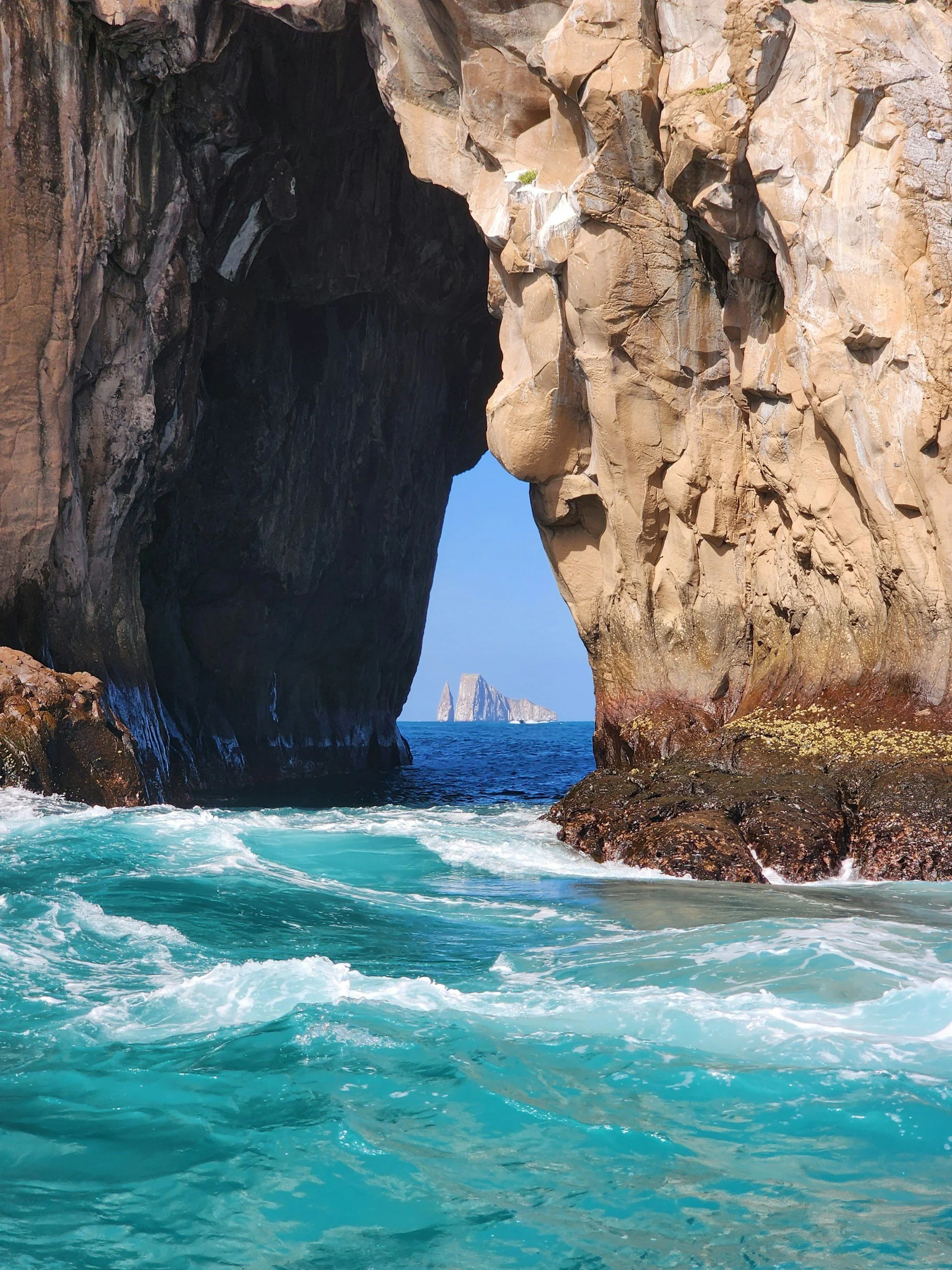
Easy access to Kicker Rock and nearby dive and snorkel sites
If you are considering starting your trip here, you can explore more about the island through this guide:
👉 https://www.kayak.es/San-Cristobal.54323.guide
🧾 Step 3: Entry Requirements and Fees
Before boarding your flight to the Galapagos, you’ll need:
Transit Control Card: $20 (purchased at the airport in Ecuador)
Galapagos National Park fee: $200 (paid on arrival)
Your luggage will also go through inspection to ensure no outside species are introduced into the ecosystem.
🚤 Step 4: Getting Between Islands
Once you arrive, your itinerary determines how you move between islands.
Options include:
Speedboats between Santa Cruz, Isabela, and San Cristobal
Small inter-island flights
Guided tours that include transportation
Sea conditions vary by season, which is why timing matters. Our Best Time to Visit the Galapagos guide can help you plan around comfort and conditions.
💡 Choosing the Best Arrival Strategy
There is no single “best” way to arrive. It depends on your itinerary.
Start in Santa Cruz if you want the most infrastructure and central access
Start in San Cristobal for a quieter, more local feel
Use a loop route if you want to avoid backtracking
Our guide on How to Choose the Right Islands for Your Galapagos Adventure can help you map this out more clearly.
🧭 Planning Your Trip the Right Way
Getting to the Galapagos is just the first step. The real difference in your experience comes from how your trip is structured once you arrive.
From island selection to seasonal timing to activity planning, small decisions have a big impact on the overall experience.
At Blue Galapagos, we help travelers design fully customized itineraries based on how they want to experience the islands, whether that includes wildlife, snorkeling, diving, or fishing.